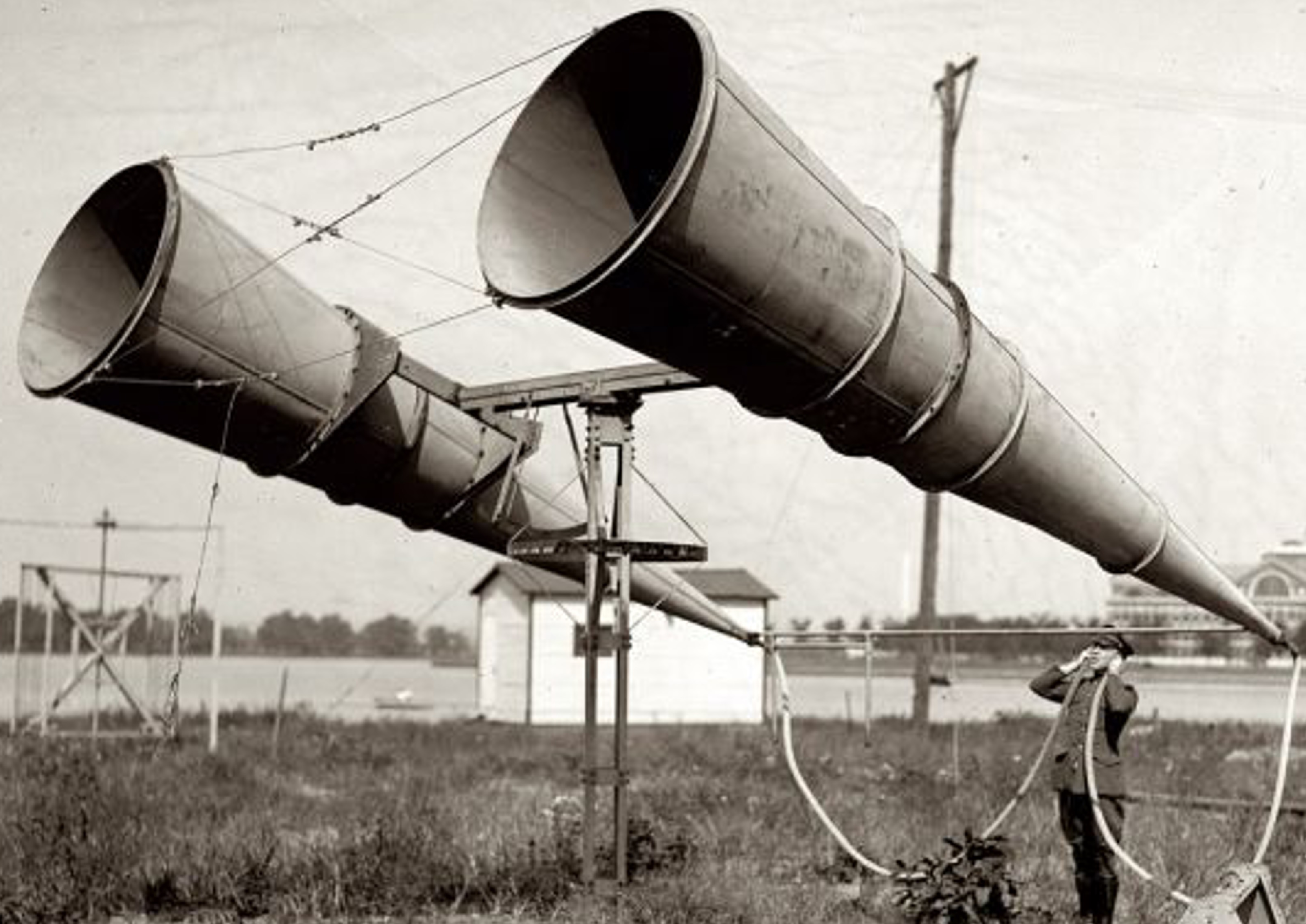
Figure 1:Acoustic device for detection of enemy warplanes.[1]
Our second most studied sense is hearing. We know a lot less about this sense than we do about seeing, but we know a lot more about hearing than we do about all the other senses that we have not yey talked about.
You will also notice that there are several principles that we have learned when examining vision that will also apply to hearing. In fact, this will be a reoccurring theme and happen for the other senses as well.
We will proceed just like we did for the sense of seeing, and first talk about what exactly the physical stimuli are that evoke the perception of hearing. Then, we will examine the relevant sense organs. And just like in the case of vision (and as will be the case for the other senses we discuss), there will be a lot more to discuss about these peripheral mechanisms of sensation than what we can subsequently discuss about the neuronal mechanisms of the brain that we believe to support the auditory perception. And as we have done for visual perception, we will review the psychophysics and psychology of hearing as well. This will also touch on speech and music
ACOUSTICS
Sound
Vocalization
Anatomy of vocalization.[2]
PSYCHOLOGY
Psychophysics
Music
ANATOMY
Ear
Outer Ear
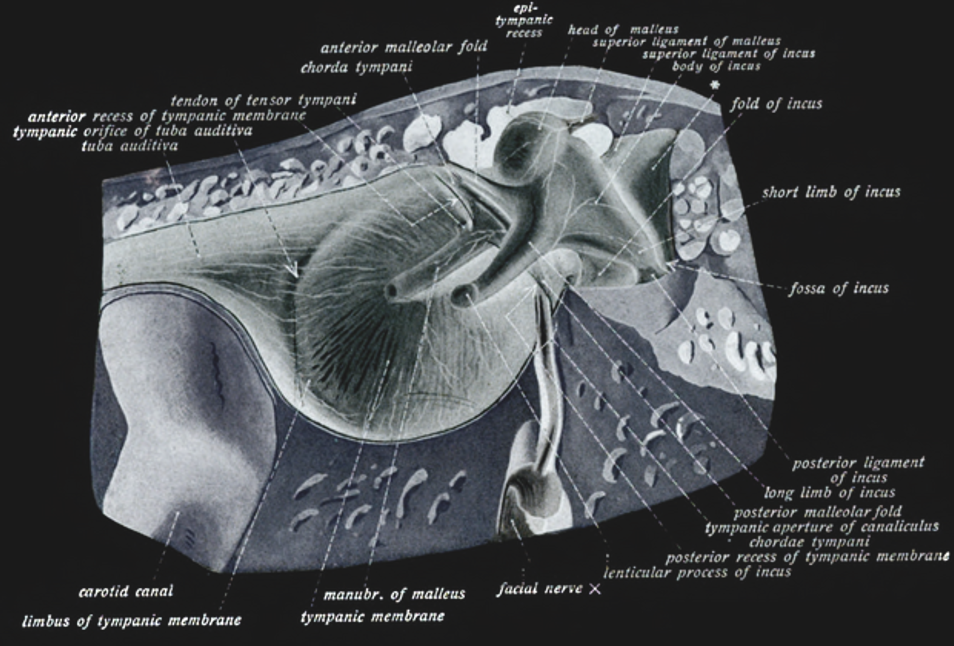
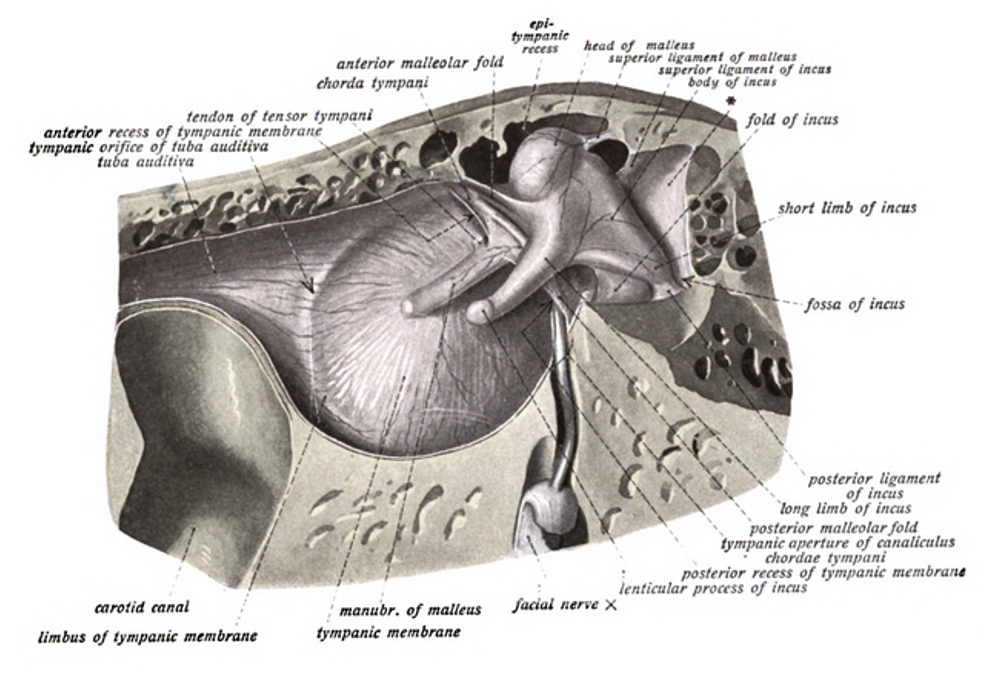
Middle Ear
Inner Ear
Cochlea
The cochlear is the retina of the ear.
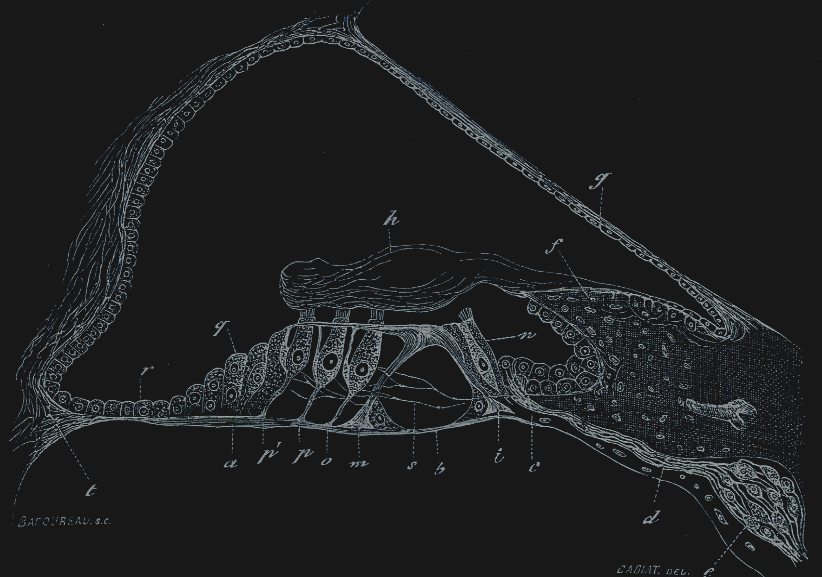
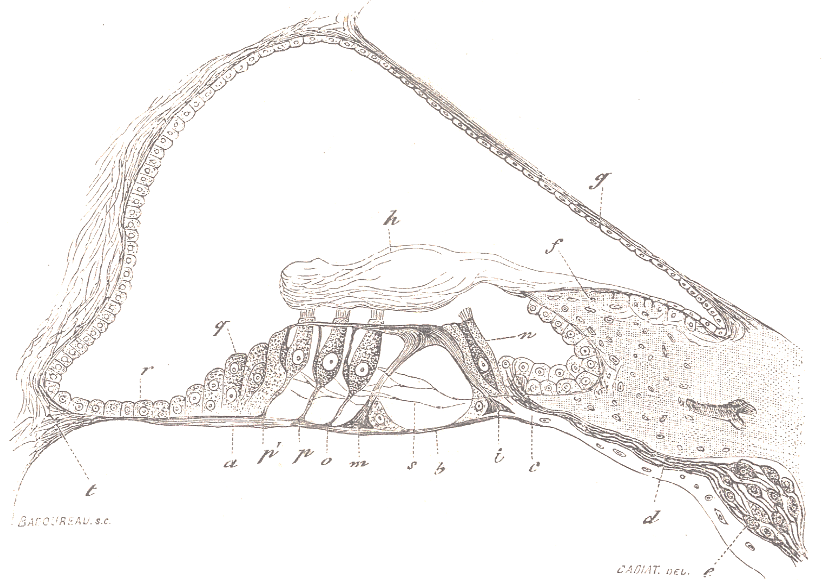
ORGAN OF CORTI